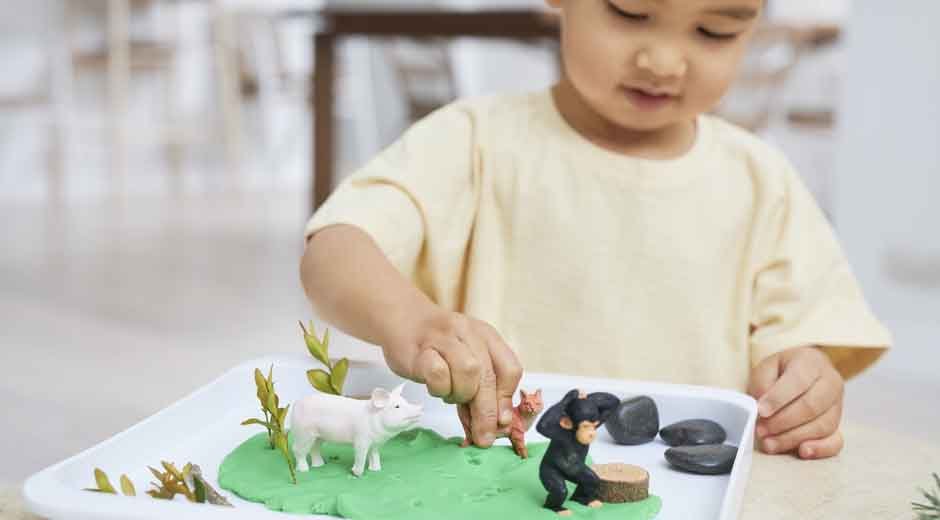





Imaginative play has long been a core part of early development. It fosters problem-solving, storytelling, and emotional understanding. In the past, simple objects or handmade figures sparked these creative moments. Now, toys are evolving with changing expectations from caregivers, educators, and kids themselves, reflecting new priorities in both design and purpose.
Mattel, for example, continues to explore how toys can support different dimensions of imagination, from open-ended storytelling to hands-on experimentation. As traditional categories blur, the makers are designing products that respond to how children think and engage, not just how they follow instructions. This change highlights a broader recognition of play as a valuable process rather than just a pastime.
New Themes, Familiar Joy
Many toys today draw inspiration from current cultural themes, science, space, nature, and even emotional intelligence. These themes open doors for kids to imagine themselves in many roles, whether as explorers, inventors, or caregivers. This kind of role-playing supports the development of empathy and self-expression, both critical for growing minds.
At the same time, familiar formats like dolls, blocks, and vehicles remain popular. What’s changed is how these invite interactions are made. New features might include interchangeable parts, storytelling prompts, or responsive sounds, all of which enhance how children shape their own narratives.
Physical and Digital Play Come Together
The rise of technology hasn’t replaced physical play; it has changed how toys respond to curiosity. Some now incorporate simple electronics or app connectivity that react to a child’s actions. Others introduce basic programming concepts through cause-and-effect play, helping build early logic skills.
Yet, tangible engagement remains central. Many newer products use tactile materials and clever mechanics to maintain a sense of touch and motion. Even those with digital features are designed to encourage movement, manipulation, and decision-making rather than passive screen time.
Play That Grows with the Child
Toys that adapt to different stages of development are gaining popularity. These aren’t just scaled versions of more complex ideas; they’re built to evolve with a child’s growing interests and capabilities. Some, for example, can be used in multiple ways depending on the child’s age, offering new challenges or experiences over time.
This kind of design supports repeat engagement, allowing the same toy to spark new forms of play even after months of use. The emphasis is on depth rather than novelty, giving kids tools they can keep returning to.
How Companies Are Rethinking the Shape of Play
Some companies are actively exploring how the act of play shapes learning, identity, and development. Their focus extends beyond entertainment, centering on how toys can nurture emotional insight, curiosity, and social growth.
Through design innovation, cultural research, and storytelling, these companies aim to create play experiences that feel meaningful and inclusive. Some campaigns, educational content, and curated collections emphasize connections between play and developmental concepts such as problem-solving and self-awareness.
Diversity and Representation in Play
Modern toys are also reflecting more diverse stories and characters. Children benefit from seeing a range of identities and experiences represented in their playthings. This includes inclusive language, culturally varied themes, and body-positive designs.
The aim is not just visibility but relatability. Toys are no longer limited to specific roles or narrow aesthetics. Instead, they now reflect the varied, layered realities of the children who play with them, giving them space to imagine futures they can connect to.
Imaginative play continues to evolve, shaped by the ways children explore, express, and make sense of their world. Companies like Mattel serve as examples of how the industry is responding to these changes, such as designing products that support creativity, adaptability, and emotional development. More inclusive and interactive toy designs reflect evolving approaches to how children engage with play and development.